Scientific Review
Is Sleep Poised to Become a Dietary Risk Factor?
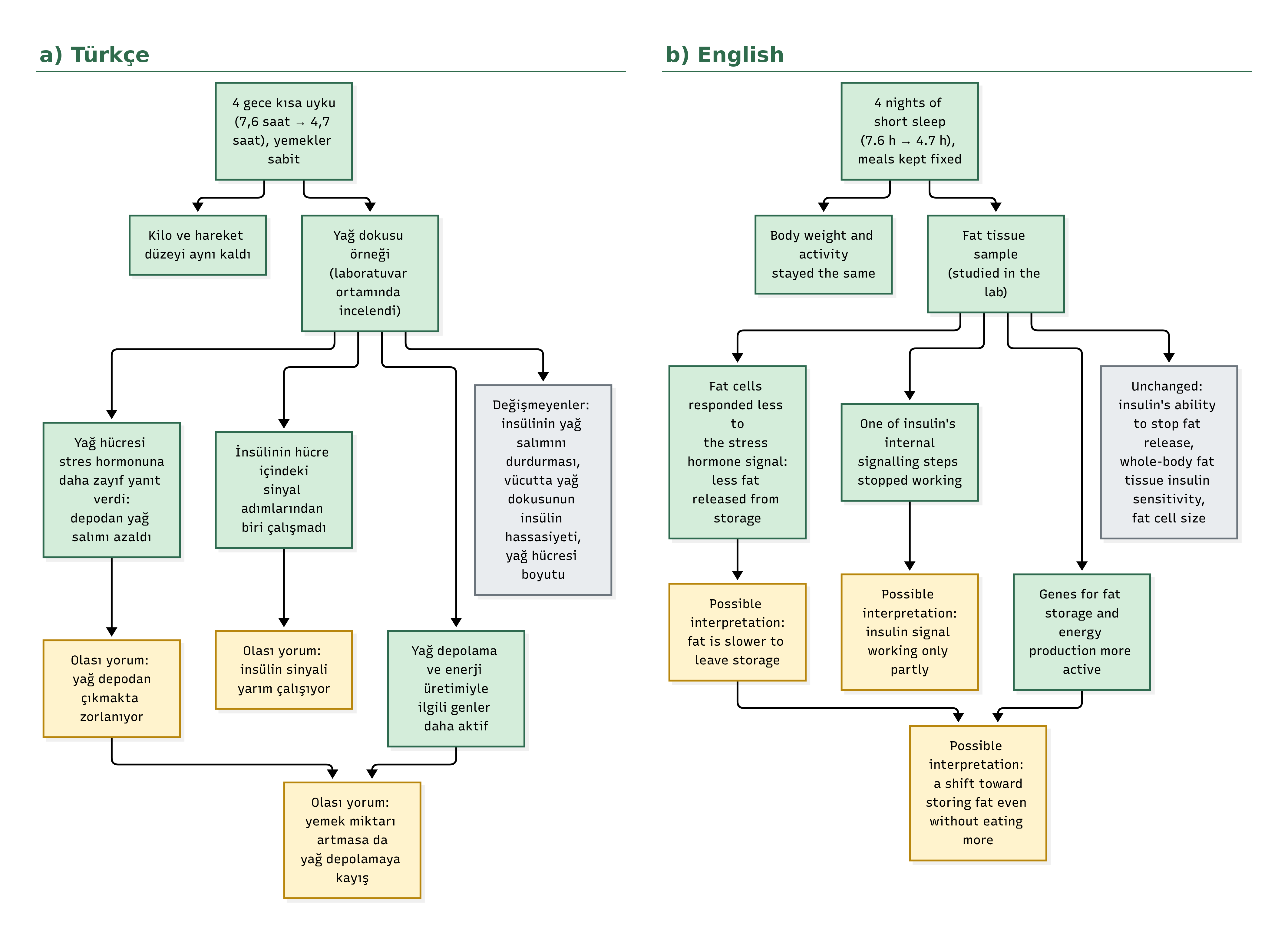
Can inadequate sleep be classified as a dietary risk factor? Analyzing clinical trials on ghrelin, leptin, ultra-processed cravings, and fat loss.
Nutrition & Dietetics Academic
Akdeniz University Faculty of Health Sciences
Department of Nutrition and Dietetics • Antalya, Turkey
While my academic work spans various intersections of nutritional science, my primary research focus centers on how dietary patterns and nutritional interventions modulate chronic diseases, particularly obesity. Within this spectrum, intermittent fasting and ultra-processed foods represent the core topics I delve into.
In my scientific workflow, biostatistics and data visualization are not just analytical tools, but a true passion for uncovering the biological story hidden behind data. I actively integrate artificial intelligence technologies into research and clinical thinking—advocating, practicing, and teaching these tools at the undergraduate level.
Beyond research and data analytics, one of my highest priorities is in the lecture hall and clinic: inspiring scientific curiosity and training high-caliber, evidence-based dietitians.
Department of Nutrition and Dietetics • 2019 – 2024
Dissertation: Evaluation of Diet-Related Risk Factors According to the Severity of Non-Alcoholic Fatty Liver Disease (NAFLD)
Advisor: Prof. Dr. Nurcan Yabancı Ayhan
Nutritional Sciences (With Thesis) • 2016 – 2019
Thesis: Evaluation of the Relationship Between Zonulin, Total Antioxidant Capacity, Total Oxidant Status and Nutrition in Newly Diagnosed Coronary Artery Disease Patients
Advisor: Dr. Öğr. Üyesi Alper Tokay
Department of Nutrition and Dietetics • 2012 – 2016
Akdeniz University Faculty of Health Sciences
Department of Nutrition and Dietetics • 2017 – Present
Conducting clinical and epidemiological research, biostatistical modeling, undergraduate teaching, and mentoring bachelor theses.
Özyıldırım, C., Karaçil Ermumcu, M. Ş., Mutlu, M. E., Baran, I., Salim, H., & Seremet Kürklü, N. (2026).
BMJ Paediatrics Open, 10, e004226.
Özyıldırım, C., Aydemir, M., & Yabancı Ayhan, N. (2026).
Obesity Medicine, 62, 100728.
Özdemir Güler, Z., Kılıç, B., Özyıldırım, C., Kamarlı Altun, H., Ay, F., & Özgün Başıbüyük, G. (2025).
Zeitschrift für Gerontologie und Geriatrie, doi:10.1007/s00391-025-02518-1.
Seremet Kürklü, N., Karaçil Ermumcu, M. Ş., Suna, G., Özyıldırım, C., Tel Adıgüzel, K., Aydın, M., Kavalcı, A., Bozdağ, F., & Turgut, N. (2024).
International Journal of Environmental Health Research, 34(10), 3478–3488.
Özyıldırım, C., Ünsal, E. N., & Yabancı Ayhan, N. (2023).
Nutrition, 114, 112116.
INFLAMomx consolidates European expertise to investigate inflammaging—the chronic, low-grade inflammation associated with aging—as a common driver of non-communicable diseases (NCDs) using cutting-edge multi-omics approaches (genomics, transcriptomics, metabolomics, microbiome).
INFOGUT brings together European academic and industrial leaders to standardize, validate, and extend in vitro human and non-human colon models (e.g., dynamic fermentation systems, gut-on-a-chip) for food science, nutraceuticals, and preclinical biomedical applications.
Strengthening service capacity, developing family-based nutrition counseling protocols, and enhancing dietary quality for individuals with special needs.
Mapping nutritional status, anthropometric growth indicators, and dietary needs of children with special needs across national centers.
Evaluating intestinal permeability marker zonulin, total antioxidant capacity (TAC), total oxidant status (TOS) and dietary patterns in CAD patients.
Courses taught at Akdeniz University Faculty of Health Sciences, Department of Nutrition and Dietetics:
Evidence-based Medical Nutrition Therapy (MNT) and NCP clinical simulations across cardiometabolic, oncologic, and renal diseases.
🎯 Core Topics: Antropometric and clinical biochemistry interpretation, obesity management, glycemic control & carbohydrate counting in Type 2 Diabetes, CVD, hypertension, Mediterranean & DASH diets, GI disorders (celiac, IBD, GERD), cancer cachexia & oncologic nutrition, acute/chronic renal disease & dialysis, liver diseases (MASLD/MASH, cirrhosis), and pancreatitis.
💡 Classroom Practice & AI: Comprehensive Mediterranean & DASH Diet Workshop (Fall semester) and AI-powered Interactive Clinical Case Simulations for patients on GLP-1 Receptor Agonist therapy (Spring semester).
🚀 Outcomes: Prescribe patient-tailored medical nutrition therapies in complex metabolic conditions, interpret clinical findings accurately, and lead multidisciplinary case management.
Physiological and metabolic foundations of diet planning combined with evidence-based critical analysis of current popular dietary trends.
🎯 Core Topics: Evolution of human nutrition, energy expenditure models, diet culture criticism, Ketogenic diet protocols, Intermittent Fasting (IF/TRE), longevity nutrition, and dietary myths.
💡 Classroom Practice & AI: AI-powered Google NotebookLM digital notebook; Critical brainstorming on 'Is obesity a disease?', 'Is calorie counting effective?', 'What is the ideal diet?' with student podcast submissions broadcast in class (Fall 2024-2025).
🎤 Student Seminars & Presentations: Circadian Rhythm, Sleep & Nutrition • Food Addiction & Cravings • Psychosocial Factors in Diet Adherence • GLP-1 Agonists & Nutrition • Personalized Nutrition • AI in Nutritional Science (Fall 2024-2025).
🚀 Outcomes: Distinguish evidence-based nutritional protocols from commercial fad diets, manage long-term metabolic and behavioral outcomes of popular diets.
Immunological physiology, nutrient-immune interactions, inflammatory pathways, and targeted immunonutrition strategies in chronic diseases.
🎯 Core Topics: Innate and adaptive immunity, mucosal barrier integrity (GALT), key immunonutrients (Omega-3, glutamine, arginine, selenium, zinc, vitamin D), one-carbon metabolism, autoimmune disorders.
💡 Classroom Practice & AI: AI-powered Google NotebookLM digital notebook; Academic class debate on 'Should We Use Dietary Supplements?' (Spring 2024-2025); Department-wide Nutrition and Dietetics Quiz Bowl (Spring 2025-2026).
🎤 Student Seminars & Presentations: Food Additives & Immune System • Maternal Diet & Immune Epigenetics • Probiotics & Immunity • Ketogenic Diet & Cancer (Spring 2025-2026); Fasting Diets & Immunity • Food Additives • Ketogenic Diet (Spring 2024-2025).
🚀 Outcomes: Understand molecular mechanisms of immunonutrients and develop targeted nutritional protocols for acute and chronic inflammatory conditions.
AI and digital tools in nutrition: practical methods for dietetic practice, nutrient analysis, client communication, and hands-on case workshops.
🎯 Core Topics: Impact of AI on nutrition and dietetics, digital tools for dietary analysis and meal planning, using AI for client communication and education, efficient scientific literature search, ethics and limitations of AI in dietetics.
💡 Classroom Practice & AI: Exploring the impact of AI on nutrition science and emerging trends through extensive hands-on workshops, real-life dietetic case scenarios, and practical digital tool applications.
🚀 Outcomes: Consciously and ethically utilize AI and computer tools in dietetic practice, navigate digital food databases, and integrate technology into client management workflows.
Evidence-based analysis of the biopsychosocial, cultural, and environmental dynamics shaping individual and societal eating behaviors.
🎯 Core Topics: Appetite mechanisms and food choice, disordered eating and eating disorders (anorexia, bulimia, BED), obesity and body image, psychosocial perspectives on GLP-1 therapies, nutritional fanaticism and orthorexia.
💡 Classroom Practice & AI: Psychosocial dimensions of GLP-1 popularity, dietary fanaticism, body image stigma, and psychometric screening tools analysis.
🚀 Outcomes: Analyze eating behaviors through a biopsychosocial framework, identify eating disorder risk factors, and develop client-centered mindful nutrition approaches.
Critical evaluation of media nutrition claims, identifying misinformation, and translating evidence-based research into public health communication.
🎯 Core Topics: Media literacy, social media algorithms, influencer marketing, diet myths, food advertising tactics, fake news and misinformation analysis.
💡 Classroom Practice & AI: Evidence-based content creation on social media, scientific fact-checking workshops, and publication of 'Social Media Guidelines for Dietitians' brochures and presentations (Fall 2024-2025).
🚀 Outcomes: Critically evaluate nutrition news and viral diet trends, produce ethical and accessible science communication materials tailored for diverse target audiences.
Clinical nutrition support, enteral/parenteral feeding routes, formula selection, and ESPEN guideline case management in critical care.
🎯 Core Topics: Nutritional risk screening (NRS-2002, MUST, GLIM), enteral access routes and formulations, parenteral nutrition (TPN) solutions, surgical ERAS protocols, complication prevention.
💡 Classroom Practice & AI: AI-powered complex case simulations for clinical decision-making; In-depth literature case report analysis, student solution defense, and ESPEN guideline comparison (Spring 2024-2025 & 2025-2026).
🚀 Outcomes: Select optimal artificial feeding routes and formulations tailored to clinical status, anticipate and prevent metabolic complications in simulated case models.
Chronologically ordered scientific articles, op-eds, and reviews:
Subscribe for free to receive in-depth essays on metabolism, incretin therapies, ultra-processed foods, and evidence-based nutrition.
Scientific Review
Can inadequate sleep be classified as a dietary risk factor? Analyzing clinical trials on ghrelin, leptin, ultra-processed cravings, and fat loss.
Scientific Review
Why fasting with insulin resistance may not yield expected fat loss. Exploring chronic hyperinsulinemia, muscle catabolism, and circadian feeding.
Scientific Review
Strict intermittent fasting not yielding results? Emerging research shows gut microbiome composition and Akkermansia levels dictate metabolic response.
Scientific Review
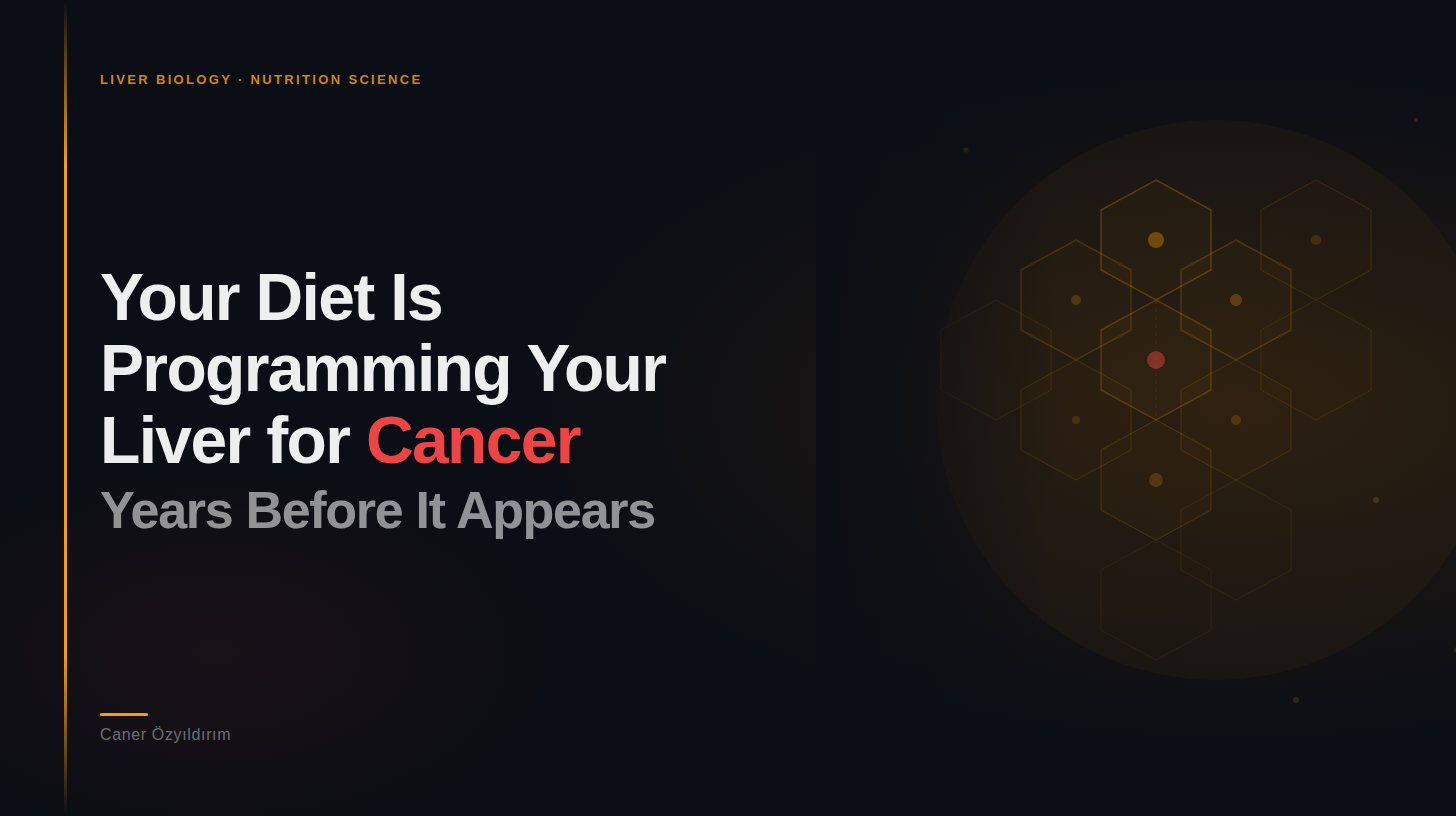
Years of high-fat nutrition can epigenetically reprogram liver cells long before tumors appear. Discover how diet alters chromatin and cancer risk.
Scientific Review
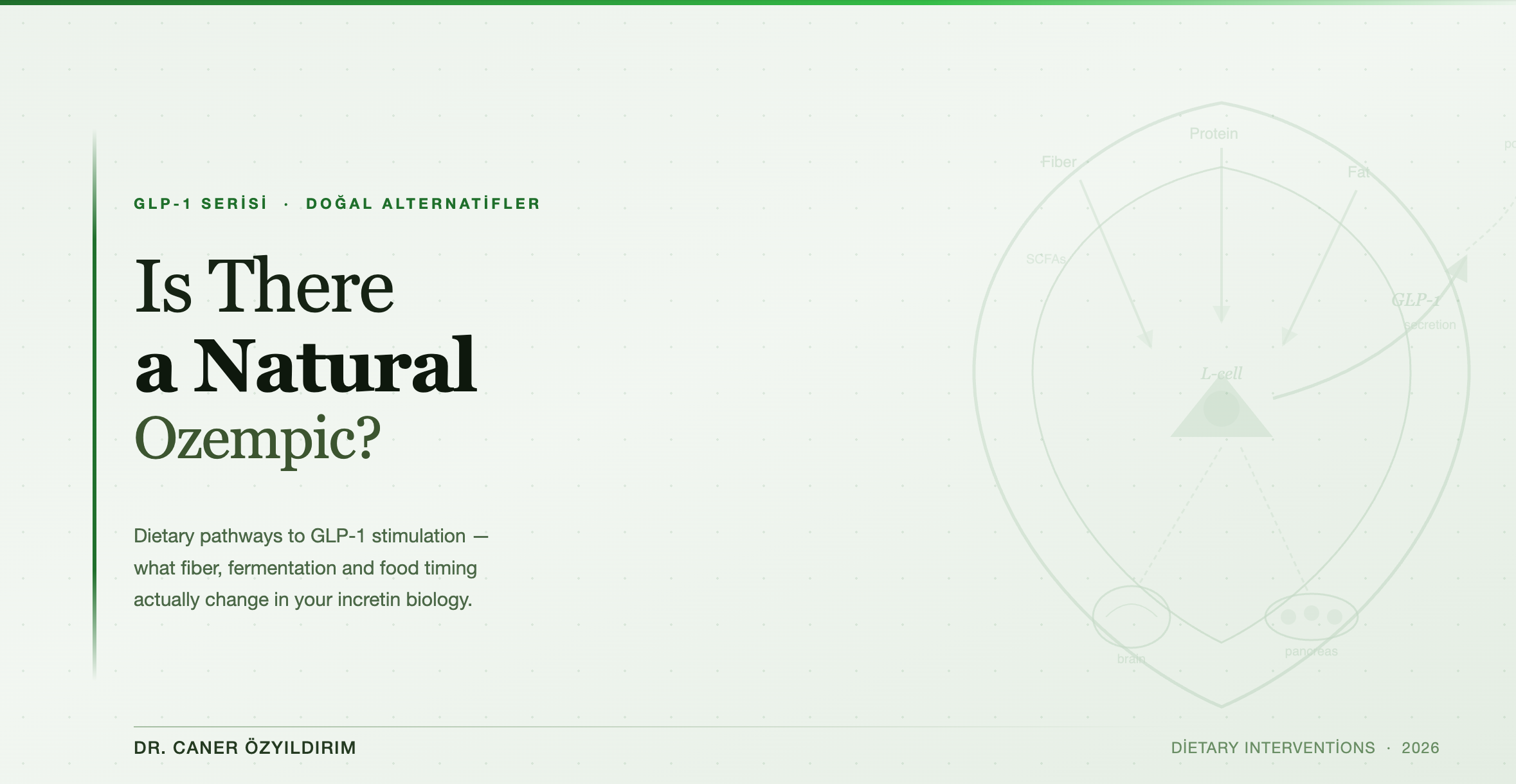
Can nutrients naturally stimulate GLP-1? We explore the physiology of dietary fiber, protein, and gut L-cells in triggering natural incretin secretion.
Clinical Analysis
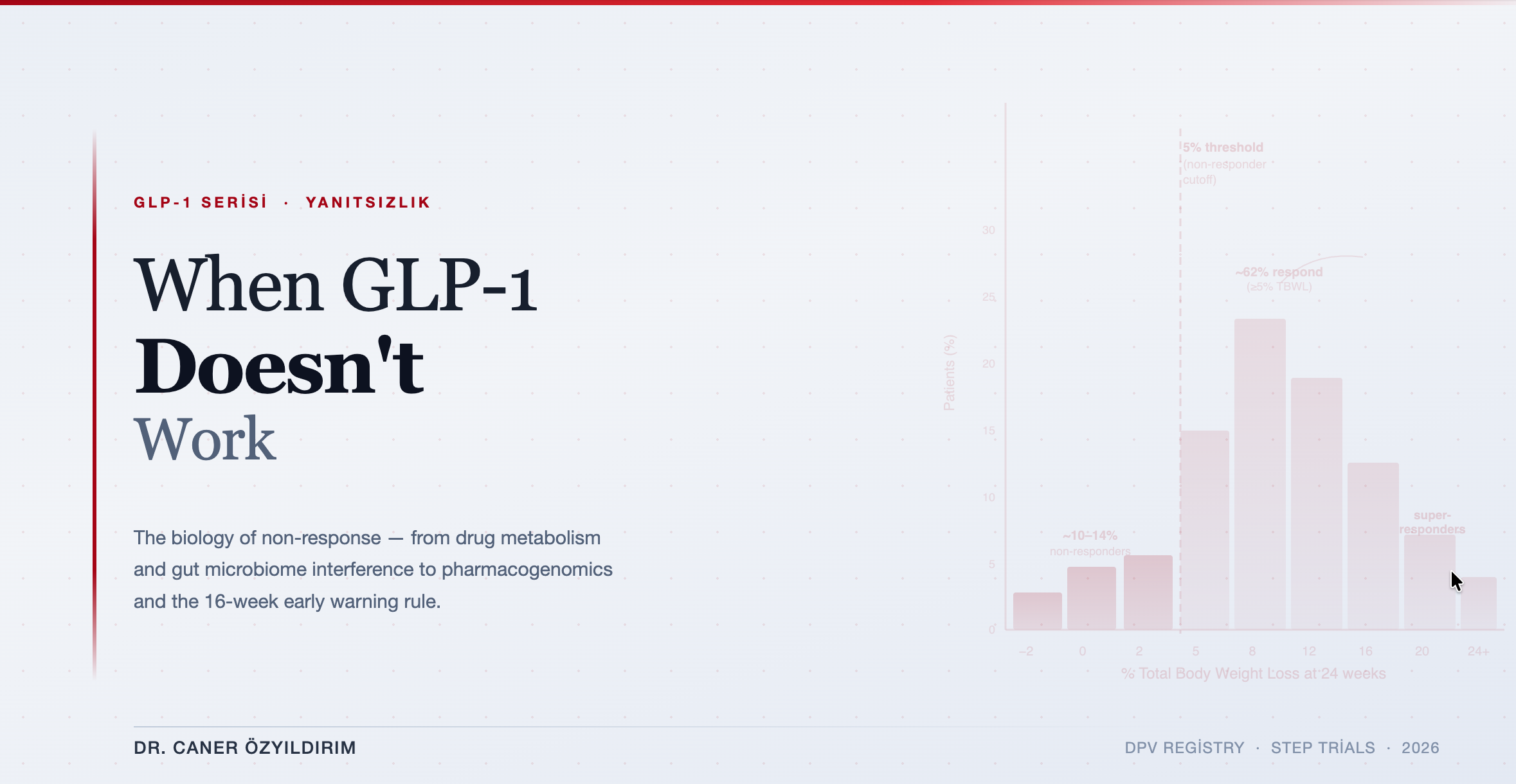
Why do some patients fail to lose weight on GLP-1 therapies? We examine non-responder phenotypes, genetic polymorphisms, and resistance mechanisms.
Calorimetry history, food exchange systems, interactive macro simulator, and packaged food analyses. First 10 slides public preview; slides 11+ encrypted.
Introduction of artificial intelligence to nutritional sciences, core concepts, ML, DL, generative AI, and dietetic practice. First 10 slides public preview; slides 11+ encrypted.
Evolutionary trajectory of human nutrition from primates and hominins to contemporary diets; cooking hypothesis, expensive tissue hypothesis, agricultural revolution, and popular diets. First 10 slides public preview; slides 11+ encrypted.
Obesity and Medical Nutrition Therapy interactive lecture deck. First 10 slides public preview; slides 11+ encrypted.
Week 2 — How Artificial Intelligence is Transforming Nutrition Science interactive web presentation. First 10 slides public preview; slides 11+ encrypted.
Interactive lecture presentation on 'Do Diets Not Work?'. First 10 slides public preview; slides 11+ protected by AES-256.
Diabetes and Medical Nutrition Therapy interactive web presentation. First 10 slides public preview; slides 11+ encrypted.
Cardiovascular Diseases and Hypertension interactive lecture deck. First 10 slides public preview; slides 11+ encrypted.
Interactive calculators, data analysis tools, and computational simulations:
An interactive AI-powered study notebook for BES 339. Grounded directly in course materials and peer-reviewed evidence on energy metabolism, Ketogenic diets, Intermittent Fasting, and diet culture critiques.
AI-powered interactive notebook for BES 326. Explore mucosal immunology, gut barrier integrity, and targeted immunonutrients (Omega-3, glutamine, zinc) with source-grounded intelligent synthesis.
Audio discussions on nutritional biochemistry and clinical evidence:
Your body already produces GLP-1, but degrades it in minutes. Do viral 'nature's Ozempic' recipes, berberine, and supplements actually work, or are they clever marketing?
Criticized for being overweight, yet criticized for taking medication to lose weight. Exploring the psychosocial dynamics, illicit black markets, and shifting social perceptions surrounding GLP-1 drugs.
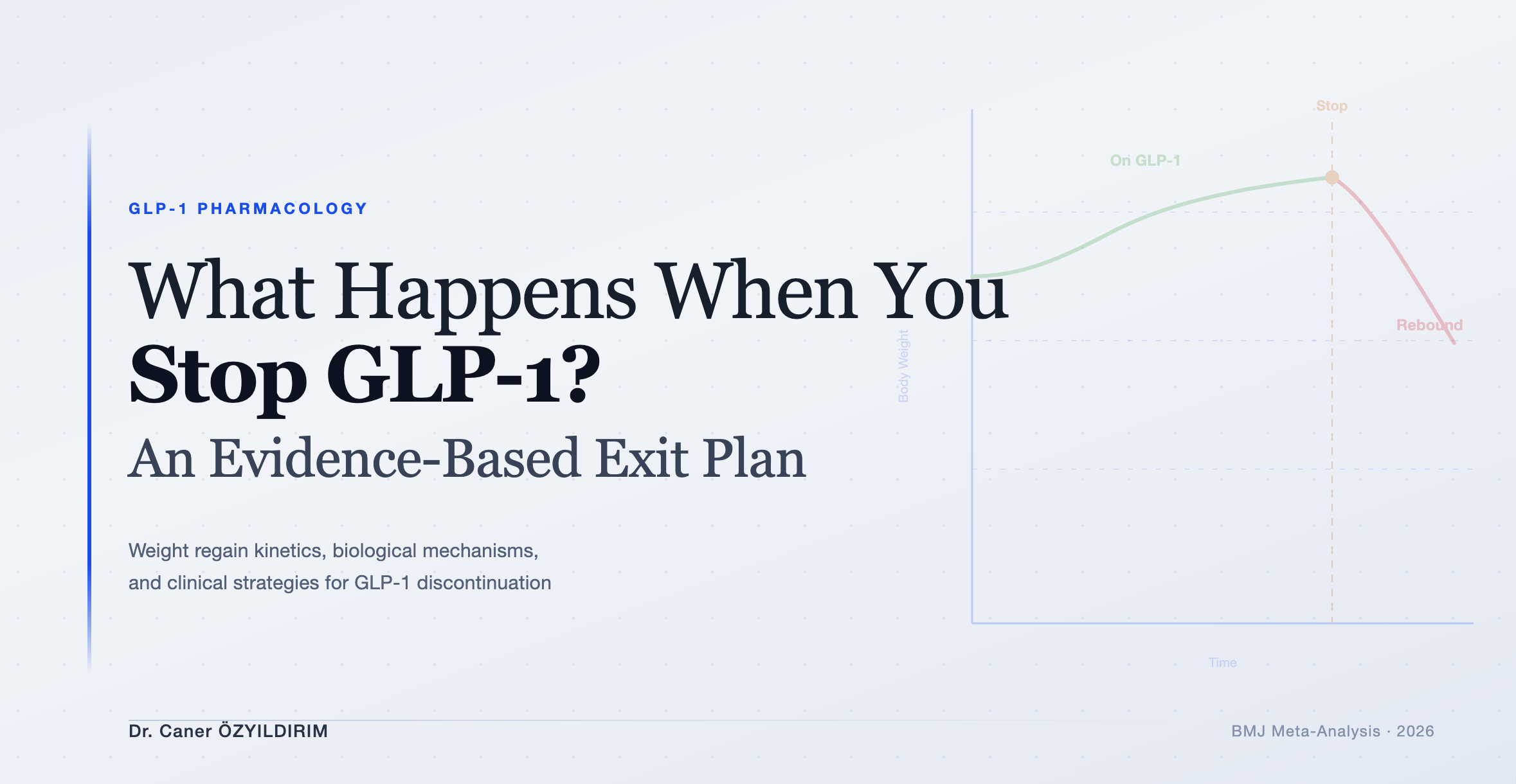
Can a pharmaceutical drug induce substantial weight loss and permanently eliminate obesity? Analyzing post-cessation weight regain and the indispensable role of dietetics.
How Gila monster venom led to Ozempic, Wegovy, and Mounjaro. The incredible discovery story of GLP-1 receptor agonists and molecular bioengineering.
Adipose tissue endocrine biology, limitations of BMI, metabolic health versus body weight, and clinical paradigms.
The history, biochemistry, and metabolic impact of added sugars, fructose dynamics, and nutrition label transparency.